Rubbish clearance on Ruislip High Street for shops
Posted on 03/09/2026
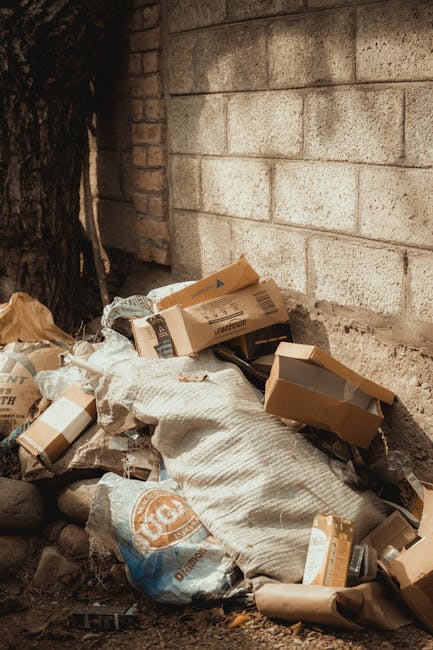
If you run a shop on Ruislip High Street, rubbish has a habit of appearing faster than you'd like. A few cardboard deliveries in the morning, a broken display unit by lunch, packaging after closing, and suddenly the back room looks like a storage cupboard that got out of hand. Rubbish clearance on Ruislip High Street for shops is really about keeping that everyday mess under control without disrupting trade, customers, or staff flow.
Done well, it helps your shop look sharper, run smoother, and stay on the right side of waste rules. Done badly, it can create smells, clutter, blocked access, and avoidable stress. In this guide, we'll walk through how commercial shop clearance works, what to expect, how to avoid common mistakes, and which practical steps make the biggest difference. No fluff. Just the useful stuff.
Why Rubbish clearance on Ruislip High Street for shops Matters
For a shop, waste is not just waste. It affects first impressions, customer comfort, stockroom space, safety, and even staff morale. A tidy frontage tells people you care about standards. A cluttered side entrance, or a stack of old packaging waiting to be dealt with, tells a very different story. Customers notice more than many owners think they do.
On a busy high street, the pressure is a bit different from a quiet residential road. Deliveries can arrive at awkward times. Footfall may be steady all day. Pavement space is limited. Access routes are narrow. That means clearance has to be planned, not improvised at the last minute while someone is trying to get the shutters down.
There is also the simple matter of practicality. Shops often generate mixed waste streams: cardboard, shrink wrap, shelving, broken fixtures, old signage, obsolete stock, and sometimes electrical items. Each one may need handling differently. If you treat everything as one big pile, things get messy quickly. We have all seen it happen. By Thursday afternoon, a tidy stockroom can turn into a sort of cardboard canyon.
Clear, regular rubbish clearance helps you:
- keep customer areas clean and welcoming
- reduce trip hazards and blocked fire routes
- free up valuable storage space
- avoid last-minute panic before inspections or deliveries
- manage waste more efficiently and often more cost-effectively
For business owners comparing wider commercial support, our commercial waste removal in Ruislip page is a useful place to start, while the services overview gives a broader view of what can be handled.
How Rubbish clearance on Ruislip High Street for shops Works
Most shop clearances follow a simple pattern, although the details vary depending on the type of rubbish and how quickly it needs to go. The best setups feel calm and organised. There is usually a short assessment, a quote, a time slot, removal, and sorting for reuse, recycling, or disposal.
In practice, the process often looks like this:
- Initial review - You identify the type and volume of waste. Is it general shop rubbish, old stock, dismantled fixtures, or bulky items?
- Access check - The team considers loading points, parking, opening hours, and any restrictions on the high street.
- Quote and scheduling - The job is priced based on waste type, volume, labour, and access conditions. If you want to understand how quotes are typically structured, see the pricing and quotes page.
- Collection or clearance - Waste is removed, usually with an emphasis on sorting recyclable material where practical.
- Final tidy-up - Good clearance work finishes with the area left safe and usable, not just empty.
For shops on a busy street, timing matters a great deal. Early morning or after-hours collections can reduce disruption. It sounds obvious, but a 10-minute delay in the wrong place can hold up customers, delivery drivers, and staff all at once. Nobody wants that little domino effect before opening time.
It also helps to choose a provider that is set up for commercial work rather than only domestic collections. Shop waste can include fixtures, display units, appliances, and mixed materials. If you need a broader view of the company's approach to business waste, the about us page is a sensible place to check trust signals and working style.
Key Benefits and Practical Advantages
The obvious benefit is a cleaner shop. But the real value goes further than that. A good rubbish clearance routine supports day-to-day trading in ways that are easy to miss until they go wrong.
1. Better presentation
Customers tend to judge a business by the small things: smells, clutter, bins overflowing near the entrance, or old packaging pushed into corners. A clean, orderly shop feels more professional straight away.
2. More usable space
Storage space in a High Street shop is precious. Clearing old stock, broken equipment, and packaging can create enough room for better rotation and easier restocking. In a tight premises, that extra half metre matters more than people think.
3. Lower risk of accidents
Loose rubbish, box stacks, and damaged items can create slip and trip hazards. This is particularly relevant where staff are moving quickly between the till, stockroom, and front of house.
4. Easier compliance
Waste that sits around too long becomes a nuisance. It can attract pests, create odours, and make premises look neglected. Regular clearance helps keep the business in better shape operationally and visually.
5. Less stress for staff
When everyone knows where waste goes and when it gets collected, the back room stops becoming a shared headache. It sounds small, but staff working in a tidy environment usually feel more settled. A bit less shouting for tape, too.
6. Better recycling outcomes
Many shop waste streams can be separated more effectively than people assume. Cardboard, some plastics, metal fixtures, and certain electrical items may be diverted away from general waste if they are sorted properly. For more on this mindset, the recycling and sustainability page is worth a look.
Who This Is For and When It Makes Sense
This kind of clearance is not only for shops that are closing. In fact, some of the best reasons are routine and unglamorous. The everyday jobs are usually the ones that keep a business running smoothly.
It makes sense for:
- independent retailers with limited stockroom space
- shops receiving frequent packaging waste
- stores replacing shelving, counters, or display units
- businesses clearing old stock after a seasonal change
- shops undergoing refits or partial renovations
- owners preparing for an inspection, handover, or reopening
There are also moments when a one-off clearance is the right call. Perhaps a freezer has failed and stock has to be cleared. Perhaps a new layout is being installed and the old display system has to go. Or maybe the back room has become a catch-all for things that were meant to be dealt with "next week." Next week, as usual, never really arrives on its own.
If your shop is connected to a refurbishment, you may also find the builders waste removal in Ruislip page useful, especially where clearance includes mixed renovation debris. For bulky items such as counters, chairs, or fixtures, furniture removal in Ruislip can also be relevant.
Step-by-Step Guidance
If you want the process to go smoothly, it helps to break it into a few sensible stages. Not complicated. Just orderly.
- Identify the waste clearly
Separate cardboard, general waste, bulky items, and anything electrical or potentially hazardous. A rough guess is fine at the start, but the clearer you are, the better the plan. - Clear the access route
Make sure staff can move items safely from the shop floor to the collection point. Doors, corridors, stairways, and fire exits should stay usable. - Pick an appropriate time
Early morning, later evening, or quieter trading periods are often easier. On a high street, timing can be the difference between a calm job and a crowded one. - Confirm what is included
Ask whether loading, lifting, sorting, and tidying are included. Small details matter here, honestly. - Check documentation
If the waste is being carried away by a third party, make sure the provider is properly licensed and insured. The waste carrier licence and compliance page is a helpful reference point. - Plan for recycling and disposal
Ask how recyclable material will be handled and whether items can be separated in advance. - Inspect the area after clearance
Look for nails, splinters, broken packaging straps, or anything left behind in corners. A quick final walk-through saves trouble later.
A useful habit is to keep a small written waste plan for the shop. Nothing fancy. Just a short list: what gets stored, what gets binned, what gets recycled, and who approves clearance. It reduces confusion when the place gets busy.
Expert Tips for Better Results
There are a few things that separate a decent clearance from a genuinely good one. These are the details that tend to make life easier over the long term.
Use the back room like a system, not a dumping ground. If the storage area has zones, even simple ones, staff are more likely to place waste correctly. One corner for flattened cardboard, one for broken fixtures, one for items awaiting collection. Easy.
Schedule clearances around trading rhythms. A shop that gets its deliveries on Monday morning may be better served by a Sunday evening or Tuesday slot. It sounds obvious when said out loud, yet businesses still get caught out.
Separate useful material before the team arrives. Cardboard flattened in advance, batteries set aside correctly, and loose packaging bagged up can shave time off the job. That can affect both cost and convenience.
Keep an eye on bulky item removal. Old shelving, counters, and white goods may need different handling from general shop waste. For appliance-heavy premises, white goods and appliance disposal in Ruislip may be a better fit than a standard rubbish collection.
Think about safety before speed. Quick is good. Safe is better. If a route is cramped or a lifting job looks awkward, it is worth slowing down a bit rather than forcing it.
Keep receipts and job notes. For commercial premises, a clear paper trail helps with internal records and any future questions. Not exciting, perhaps, but very useful.

Common Mistakes to Avoid
Most waste problems in shops are not dramatic. They are just the result of small oversights that pile up. The good news? They are easy to prevent once you know what to watch for.
- Leaving clearance until the last minute - This usually leads to rushed decisions and poor access planning.
- Mixing everything together - Recyclables, general waste, and bulky items should not all end up in one awkward heap.
- Ignoring access restrictions - High street parking, loading times, and narrow entrances can affect the whole job.
- Overlooking safety hazards - Broken glass, straps, nails, and unstable stacks are classic troublemakers.
- Using an unsuitable provider - Commercial shop waste needs a commercial mindset. Domestic-only thinking can be a poor fit.
- Not checking disposal methods - You want confidence that the waste is handled properly, not just disappeared.
One common mistake is assuming that "it's only a few bags" means the job is simple. Sometimes it is. Sometimes those few bags are hiding behind a counter, under stock, and around a stubborn old fixture, and now the job has become a minor maze. Truth be told, that happens a lot.
Tools, Resources and Recommendations
You do not need a warehouse of equipment to manage shop waste properly. A few sensible tools and habits go a long way.
Recommended in-house tools:
- heavy-duty refuse sacks for mixed light waste
- flat-pack boxes or a cardboard cage for packaging
- labels or coloured markers for sorting waste types
- gloves and basic handling equipment for staff
- a simple log for recurring waste and collection dates
Helpful service pages:
- Commercial waste removal in Ruislip for routine business collections
- White goods and appliance disposal for shop fridges, display units, and similar items
- Builders waste removal for fit-out or refurbishment debris
- Recycling and sustainability for greener waste handling ideas
- Insurance and safety for reassurance around risk and handling
If your shop operates on tighter margins, understanding quote structure matters. The goal is not simply the cheapest collection. It is the best mix of price, speed, reliability, and proper disposal. You can also learn more about the company's process and standards through the services overview page.
Law, Compliance, Standards, or Best Practice
Waste handling for shops is not the same as putting a few bags out at home. Commercial premises have a duty to manage waste responsibly, and the basics are straightforward: use a legal carrier, keep waste contained, and make sure items are disposed of properly. You do not need to become a legal specialist overnight, but you do need to stay sensible and careful.
Best practice usually includes:
- checking that the waste carrier is licensed and insured
- keeping basic records of waste collection where appropriate
- separating recyclables where practical
- avoiding fly-tipping risk by never handing waste to an unverified collector
- making sure fire exits and staff routes stay clear
For a shop, the real compliance risk is often not a dramatic breach; it is the accumulation of small bad habits. Overflowing bins outside the wrong time. Waste left in shared access areas. Old boxes stored where they block movement. None of it feels huge in the moment. Then it becomes a problem.
If you want to learn more about the company's broader standards and values, modern slavery statement, terms and conditions, payment and security, and cookie policy are all available for review. Those pages are not the flashy part of the website, but they matter for trust. In a real business relationship, they matter quite a bit.
Options, Methods, or Comparison Table
There is more than one way to handle shop waste. The right choice depends on volume, urgency, and the type of items involved. A quick comparison helps.
| Method | Best for | Advantages | Limitations |
|---|---|---|---|
| Regular commercial waste collection | Ongoing shop waste and packaging | Predictable, tidy, easy to plan | Less suitable for bulky one-off items |
| One-off rubbish clearance | End-of-season clear-outs, decluttering, mixed waste | Fast removal of a larger volume | May cost more than a routine collection |
| Specialist bulky item disposal | Fixtures, counters, appliances, heavy items | Safer handling of awkward materials | Needs clearer planning and access checks |
| Refurbishment waste removal | Fit-outs, repairs, and shop upgrades | Suitable for mixed construction debris | May involve different waste types and timings |
In our experience, many small shops end up using a mix of methods over the year. That is normal. A routine service handles the steady stuff, and a separate clearance tackles the occasional big job. Simple, really.
Case Study or Real-World Example
Picture a small retail shop on Ruislip High Street coming up to a seasonal reset. The owner has old promotional displays, flattened cardboard, a broken shelving section, and a couple of boxes of stock that are no longer saleable. Nothing dramatic, but the back room is full enough that staff are having to squeeze sideways past it all.
Instead of waiting until the clutter becomes unmanageable, the owner plans a midweek early-morning clearance. The team separates the cardboard the day before, moves fragile stock away from the collection path, and makes sure the front entrance is clear for the loading period. The result is straightforward: the job is quicker, the shop opens on time, and the space feels better almost immediately.
The real win is not just the empty floor area. It is the breathing room. Staff can restock more easily. The layout feels calmer. Customers do not have to see the "temporary" mess that somehow had a way of becoming permanent.
If the same shop later replaces a display fridge or old fitting, a specialist service such as white goods and appliance disposal in Ruislip may become the smarter option, especially for awkward or heavy items.
Practical Checklist
Use this before you book or carry out a shop clearance. A few minutes here can save a lot later.
- Identify what needs removing: general waste, cardboard, fixtures, appliances, or mixed items
- Estimate the volume as accurately as you can
- Check access routes, doors, and loading points
- Confirm the best time slot to avoid disrupting trade
- Separate recyclables from general rubbish where practical
- Remove anything sensitive, confidential, or valuable before collection
- Ask whether lifting, loading, and clean-up are included
- Check carrier licence, insurance, and disposal approach
- Make sure fire exits and customer areas stay clear
- Walk the area after clearance and check corners, ledges, and under counters
Expert summary: For shop owners, the best rubbish clearance is the kind you barely notice while it is happening. It arrives at the right time, clears the right materials, leaves the area safe, and doesn't create another problem on the way out.
Get a free quote today and see how much you can save.
Conclusion
Rubbish clearance on Ruislip High Street for shops is about much more than getting rid of unwanted items. It protects your shop's appearance, helps daily operations, and reduces the little pressures that build up when waste is left unmanaged. Once you have a sensible system in place, the whole business tends to feel easier to run. Cleaner. Quieter. Less chaotic around the edges.
Whether you need a one-off clearance after a refit, support with bulky items, or a more regular waste routine, the key is to plan it around how your shop actually works. That is where good results come from. Not from overcomplicating it, just from doing the right things in the right order.
And if you have been putting it off because the back room looks a bit too far gone, fair enough. Happens to the best of us. The good news is it is usually much easier to fix than it looks.
For more background on the team and their approach, you can also review the about us page or explore the wider services overview. Small steps, but they help you make a better decision.