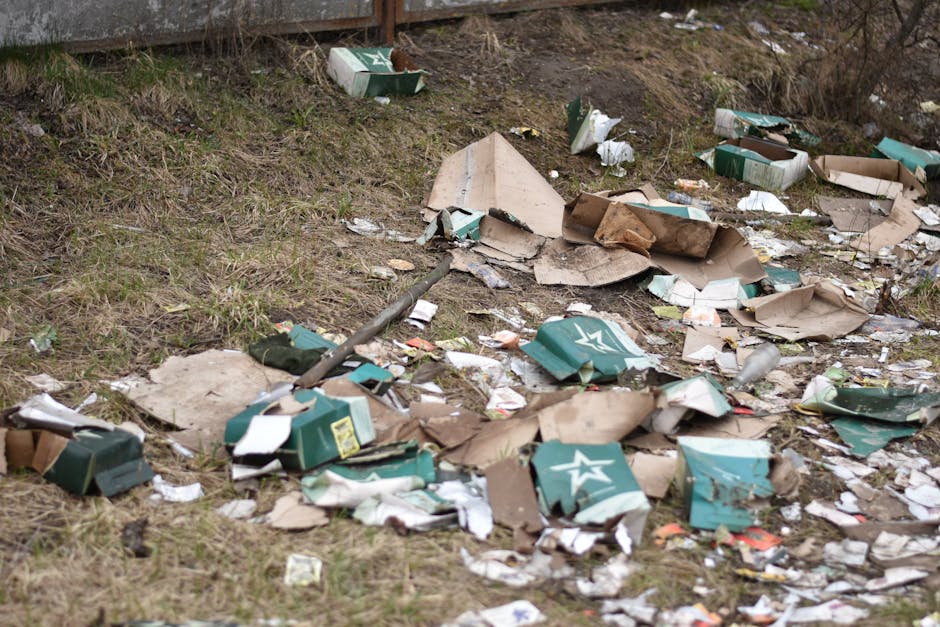
Flats rubbish removal near Ruislip Manor station
Posted on 13/10/2026
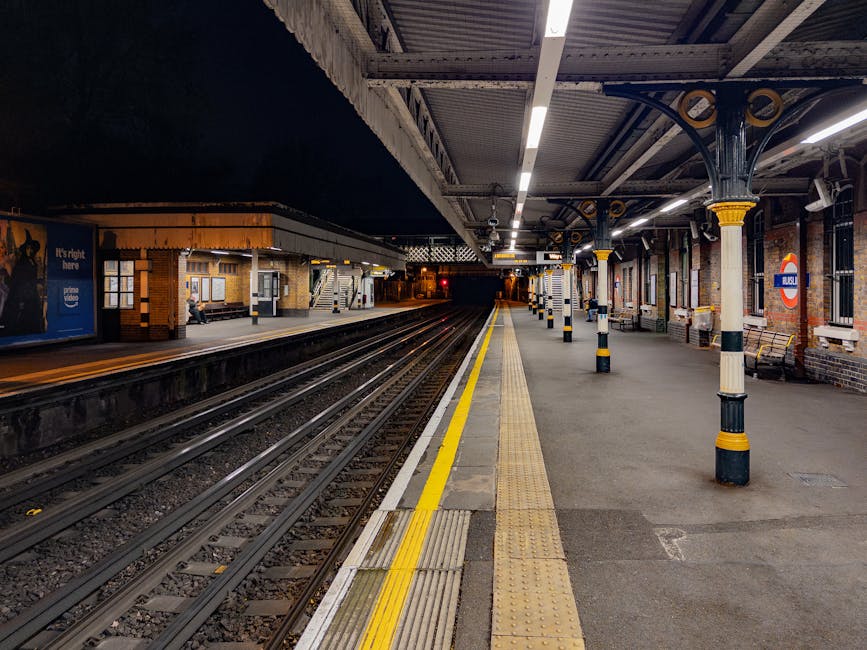
Flats rubbish removal near Ruislip Manor station: a practical local guide
If you live in a flat near Ruislip Manor station, rubbish removal can be awkward in a way that houses just do not have to think about. Narrow stairwells, shared entrances, limited parking, lift access, neighbours coming and going, and that familiar "where on earth do we put this until collection day?" feeling - it all adds up. Flats rubbish removal near Ruislip Manor station is really about making that process easier, quicker, and less stressful, whether you are clearing a single bulky item or dealing with a full flat clearance after a move.
This guide walks through how the service works, what to expect, what to avoid, and how to choose the right approach for your building. You will also find a checklist, a comparison table, and a realistic example from a typical local flat move. Straightforward stuff, but the kind that saves time and a bit of hassle. Let's face it, nobody wants to drag a broken wardrobe down three flights of stairs twice.
Why flats rubbish removal near Ruislip Manor station matters
In a flat, rubbish builds up in a different way. One bag left by the door is manageable. Two flattened boxes, an old mattress, a coffee table that has seen better days, and a broken appliance? Suddenly the hallway looks crowded and the exit route gets awkward. If you are close to Ruislip Manor station, you may also be dealing with busier streets, limited loading space, and timing your collection around commuters and neighbours.
That is why a flats rubbish removal service matters. It is not only about taking items away. It is about doing it efficiently, with minimal disruption to the building and without creating extra work for you. In shared blocks, especially, the small details matter: protecting communal areas, avoiding blocked entrances, and removing waste in a way that respects the building and the people in it.
There is also the comfort factor. A cluttered flat tends to feel smaller, noisier, and more stressful. Once the unnecessary stuff goes, the space changes. It feels lighter. Cleaner. Easier to live in. You notice it most in the first couple of days after a clearance - the silence of an uncluttered room can be oddly satisfying.
For some households, the service is part of a bigger plan. Maybe you are moving. Maybe you are making room for a new tenant. Maybe you are clearing out inherited items and do not want to leave the job half-done. In any case, it pays to think beyond "getting rid of rubbish" and look at how the process fits into the day-to-day reality of flat living.
How Flats rubbish removal near Ruislip Manor station works
The exact process varies by provider, but the core steps are usually familiar. In most cases, you start with a description of what needs removing. That might be a few bulky items, bagged waste, old furniture, appliances, or a full flat clearance. Good providers will ask about access, parking, stairs, lift availability, and whether anything needs special handling.
After that, you normally get an estimate based on volume, type of waste, and how much labour is needed. Flats can be straightforward or surprisingly fiddly. A ground-floor flat with direct access is not the same as a third-floor walk-up with a tight stairwell and no parking right outside. The quote should reflect that. If it does not, be cautious.
On the day, the team should arrive with the right equipment, sort the load sensibly, and remove items without damaging the communal parts of the building. You should not have to supervise every step, but a quick walkthrough helps. Point out anything fragile, any restrictions from the building manager, and what stays behind. A decent team will work methodically, not dash through the place like they are late for a train.
Once loaded, waste is taken away for sorting, reuse, recycling, or disposal depending on what it is. If you are comparing providers, this is where recycling and sustainability practices become relevant, because a careful operator should explain what happens next rather than brushing over it.
For flats near the station, timing can matter too. Morning collections may avoid afternoon congestion, while early evening jobs can be tricky if residents are back from work and car spaces are scarce. Small thing, but it makes a difference.
Key benefits and practical advantages
There are a few clear reasons people choose professional rubbish removal instead of trying to do it all themselves. The first is obvious: less lifting. Flat clearances often involve stairs, awkward corners, and heavy items. A sofa looks manageable until you are half-way down the staircase and realise the landing turn is not forgiving.
The second benefit is speed. If you have a deadline - a checkout date, a tenancy changeover, a refurbishment slot, or a family visit - a quick collection can prevent the whole plan from slipping. Even one day saved can make the week feel less chaotic.
Third, there is the stress reduction. That sounds soft until you are standing in a hallway full of boxes and old furniture with no idea where the day went. A structured removal service gives the job a beginning and an end. That matters more than people expect.
There is also a practical improvement in how the flat feels. Cleaner rooms are easier to clean properly. Storage becomes visible again. And if you are preparing a property for sale or letting, a clear, tidy flat usually presents better in person and in photographs. You do not need a design magazine finish, just a space that people can actually imagine living in.
Here is the short version:
- Less physical strain when bulky items need moving.
- Better timing control for moves, repairs, or checkouts.
- Cleaner shared areas and fewer complaints from neighbours.
- More efficient use of space once clutter is removed.
- Better handling of mixed waste including furniture, appliances, and bagged rubbish.
To be fair, the biggest benefit is often simply peace of mind. Once it is gone, it is gone.
Who this is for and when it makes sense
Flats rubbish removal near Ruislip Manor station is useful for a fairly wide range of people. The obvious ones are tenants moving out, landlords between lets, and homeowners clearing unwanted items before renovations. But there are plenty of smaller situations where it makes sense too.
For example, you might only need a one-off collection after buying a new sofa and discovering the old one is not going to fit in the lift. Or you may have just finished a loft-style declutter and realised there is more waste than will fit into normal household bins. Happens all the time, honestly.
It also makes sense if:
- the building has limited bin storage
- you are dealing with bulky or heavy waste
- the item cannot be left in communal areas
- you do not have suitable transport
- you need the work done on a tight schedule
- you want help separating recyclable material from general waste
For landlords and letting agents, a reliable service can also reduce turn-around time between tenancies. That matters in practice, because empty days cost money and delay maintenance. For residents, especially in shared blocks, a fast clean-out keeps communal relations smoother. Nobody wants the "mystery pile" sitting in the entrance for two days.
And if the job is larger than you first thought, a broader service such as house clearance in Ruislip or domestic waste collection in Ruislip may be the more sensible route, depending on how much needs removing.
Step-by-step guidance
If you want the smoothest possible experience, it helps to approach the job in a simple sequence. No drama, no overthinking.
- List what needs to go. Separate bagged waste, furniture, appliances, and anything that might need special handling.
- Check access. Note stairs, lift size, door widths, parking restrictions, and whether the collection point is easy to reach.
- Take a few photos. This helps when describing the load and reduces the chance of surprises on the day.
- Ask how the waste will be handled. It is reasonable to want clarity on recycling, reuse, and disposal.
- Confirm what is included in the price. Look for labour, loading, vehicle use, and any extra charges for awkward access or special items.
- Prepare the flat. Move small valuables, clear hallways where possible, and keep pets or children out of the way.
- Walk the team through the job. Point out what stays, what goes, and any building rules that matter.
- Do a final check before departure. Make sure nothing essential has been taken and the area is left tidy.
That final walkthrough sounds small, but it catches most avoidable mistakes. A moment of checking now is better than a long phone call later. A lot better.
If you are comparing service types, a broader commercial approach such as services overview can help you understand what is available before you decide.
Expert tips for better results
In our experience, the smoothest jobs are the ones where the customer thinks like a project manager for ten minutes. Not forever. Just enough to reduce friction.
Tip 1: group items by type. Put furniture in one area, bagged waste in another, and fragile items aside. It makes loading faster and helps the team work safely.
Tip 2: mention access quirks early. A narrow stairwell, a fussy lift booking, or a building with strict loading windows should be said upfront. It avoids the awkward "oh, by the way..." conversation on collection day.
Tip 3: think about timing around neighbours. Early morning can be great for avoiding traffic, but if the building is quiet and echoey, rolling bins and furniture may carry. Sometimes late morning is simply kinder to everyone.
Tip 4: decide what should be reused. A chair that is still solid might suit reuse or donation pathways, while broken items belong in proper disposal. Sorting this beforehand can improve efficiency.
Tip 5: be honest about volume. Underestimating the load is one of the quickest ways to get frustrated by the end of the job. If you think it is "about a van load," say so. If it is more, say that too.
Tip 6: keep an eye on building rules. Some blocks have expectations about lift protection, loading bays, or noise. Respecting those rules avoids unwanted heat from neighbours or management. No one needs that.
And one slightly old-school but effective idea: keep a small notepad or phone list of what must stay. When rooms are half-cleared, it is surprisingly easy to forget the one thing you actually needed.

Common mistakes to avoid
The most common mistake is waiting until the flat is already chaotic before thinking about removal. By that point, you are making decisions under pressure, and pressure tends to create silly mistakes. The second mistake is failing to check what cannot go in with general waste. Some items need separate handling, especially certain electricals or materials that require special care.
Another issue is assuming all access is equal. A job in a flat near Ruislip Manor station can look simple on paper and then become difficult because parking is awkward or the lift is out of order. It is worth asking these questions early rather than discovering them in the hallway with a full load waiting.
People also forget about mixed loads. One bag of household rubbish is easy. A mix of old furniture, appliances, and loose waste takes more time to sort and load. That affects pricing and scheduling, so be upfront.
A few other pitfalls:
- leaving items in communal spaces without permission
- not checking whether the building requires advance notice
- forgetting valuables or personal papers inside drawers
- assuming the cheapest quote is the best value
- not asking about insurance or waste handling standards
Truth be told, most bad experiences come from missing details rather than bad intent. A five-minute conversation can prevent a day of annoyance.
Tools, resources and recommendations
You do not need a garage full of kit, but a few simple tools and a bit of planning help enormously. Strong bin bags, packing tape, labels, a marker pen, gloves, and a torch are the basics. If you are sorting a larger flat, a trolley or sack truck can save your back, though this depends on what the building layout allows.
For the waste itself, the best "resource" is a clear plan. Decide what goes, what stays, and what should be dismantled first. Flat-pack furniture, for example, often moves much more safely once it has been broken down. If you are dealing with awkward building waste, it can help to read about brick waste management techniques because heavier, denser waste needs more careful handling than ordinary bagged rubbish.
If you are preparing for a bigger disposal project, the following service pages may also be useful depending on what is being removed:
- furniture removal in Ruislip for sofas, wardrobes, tables, and other bulky items
- white goods and appliance disposal in Ruislip for fridges, washing machines, and similar items
- builders waste removal in Ruislip if your flat project includes refurbishment debris
Useful recommendation? Keep the job as visual as possible. Photos beat long descriptions almost every time. A quick picture of the items and access route gives a much clearer picture than a paragraph of guesswork.
Law, compliance, standards and best practice
Waste removal in the UK sits within a practical framework of duty of care, safety, and responsible handling. You do not need to become a compliance expert to book a collection, but it does help to know the basics. In plain English: waste should be handled by a legitimate operator, transported responsibly, and disposed of or recycled appropriately.
That is why it is sensible to ask whether a provider holds the right licence and follows proper procedures. A company should be able to explain how waste is handled without sounding vague. If you want a more detailed local overview, the page on waste carrier licence and compliance is a useful starting point.
Insurance matters too. Flats often involve shared entrances, lifts, stair rails, walls, and flooring that can be scuffed if waste is moved carelessly. Good practice is to work carefully, use the right lifting methods, and protect communal areas where needed. You can read more about this approach through insurance and safety.
There is also a basic environmental expectation. Reuse and recycling should be considered before disposal where practical. Not every item can be reused, of course. A shattered chest of drawers is just a shattered chest of drawers. But a service should still think sensibly about sorting and diversion from landfill where possible.
And a small but important note: if you are leaving waste in communal areas, check building rules and avoid creating a fire escape obstruction. That is common sense, but it is easy to forget when a hallway is full of boxes and someone is trying to get to work.
Options, methods and comparison table
Not every flat clearance needs the same approach. Sometimes a tiny load is best handled in one go. Sometimes it is better to split the job into stages. Here is a simple comparison to help you think it through.
| Method | Best for | Pros | Things to watch |
|---|---|---|---|
| DIY disposal | Very small loads, light waste, simple access | Can feel cheap if you already have transport | Time-consuming, physically demanding, limited by vehicle space and local disposal rules |
| Man-and-van style collection | Mixed household waste, bulky items, quick turnaround | Convenient, flexible, usually faster than DIY | Needs clear communication about volume and access |
| Full flat clearance | End-of-tenancy, inheritance, major declutter, moves | Handles large jobs in one visit, less stress for you | Costs more than a small collection, so planning matters |
| Staged clearance | Larger flats with sorting needed | Good for separating keeps, donates, recycle, and waste | Takes longer and requires a bit more organisation |
If you are unsure which route is best, start with the simplest question: how much needs to leave, and how quickly? From there, the right option tends to become clearer.
Case study or real-world example
Here is a realistic example. A couple in a first-floor flat near Ruislip Manor station had just bought new bedroom furniture and needed the old items removed before delivery day. Nothing dramatic, just a bed frame, a wardrobe, a bedside cabinet, several bags of general waste, and a bulky box of packaging. Sounds simple enough, until you add a narrow stairwell, a shared entrance, and a parking space that was not guaranteed.
They took photos of the items, checked the lift dimensions, and flagged the access details in advance. That early prep mattered. On collection day, the team came with the right tools, removed the items quickly, and kept the communal area clear. Because everything was listed properly beforehand, there were no last-minute price changes and no awkward delays.
What did the residents notice most? Not the van, not the paperwork, not even the speed. It was the feeling of having the flat back under control before the new furniture arrived. The room looked bigger. The hallway felt less tense. The whole thing took less time than they expected, which, to be honest, is the kind of win people remember.
That is the real value of good flats rubbish removal: it fits around your life instead of interrupting it.
Practical checklist
Use this checklist before you book or on the morning of collection. Short and simple, which is how the best checklists tend to be.
- List all items that need removing
- Separate valuables, documents, and keepsakes
- Check stairs, lift access, and parking arrangements
- Take photos of bulky or awkward items
- Confirm any building rules or time restrictions
- Ask how recyclable or reusable items are handled
- Make sure communal areas stay clear
- Check what is included in the quote
- Keep pets and children away from the work area
- Do a final sweep before the team leaves
Expert summary: the best flats rubbish removal near Ruislip Manor station is the one that is planned just enough to avoid stress, but not so complicated that it becomes another job in itself. Clear access, honest volume estimates, and sensible waste handling usually make all the difference.
Get a free quote today and see how much you can save.
Conclusion
Flats rubbish removal near Ruislip Manor station is about more than lifting waste into a van. It is about making flat life easier, especially where access is tight, time is short, and shared spaces need a bit of care. When it is done properly, the result is calmer rooms, safer hallways, and far less pressure on you.
Whether you are clearing a single item, preparing for a move, or dealing with a full flat clean-out, the same principles apply: plan early, be clear about access, choose a provider that handles waste properly, and do not underestimate the value of a simple, well-run collection. It really can be that straightforward.
If your flat is feeling a little cramped right now, that is okay. Most people get there eventually. The good news is that sorting it is often easier than it looks - and once the clutter is gone, you will notice the difference straight away.